
Smoke Odor Removal
When a smoke smell lingers, removing the source matters more than making the room smell different for a while.
- ✓ Open 24 hours, 7 days a week
- ✓ Serving San Bernardino County, Adelanto, Apple Valley and 22 more areas

A lingering smell can point to residue
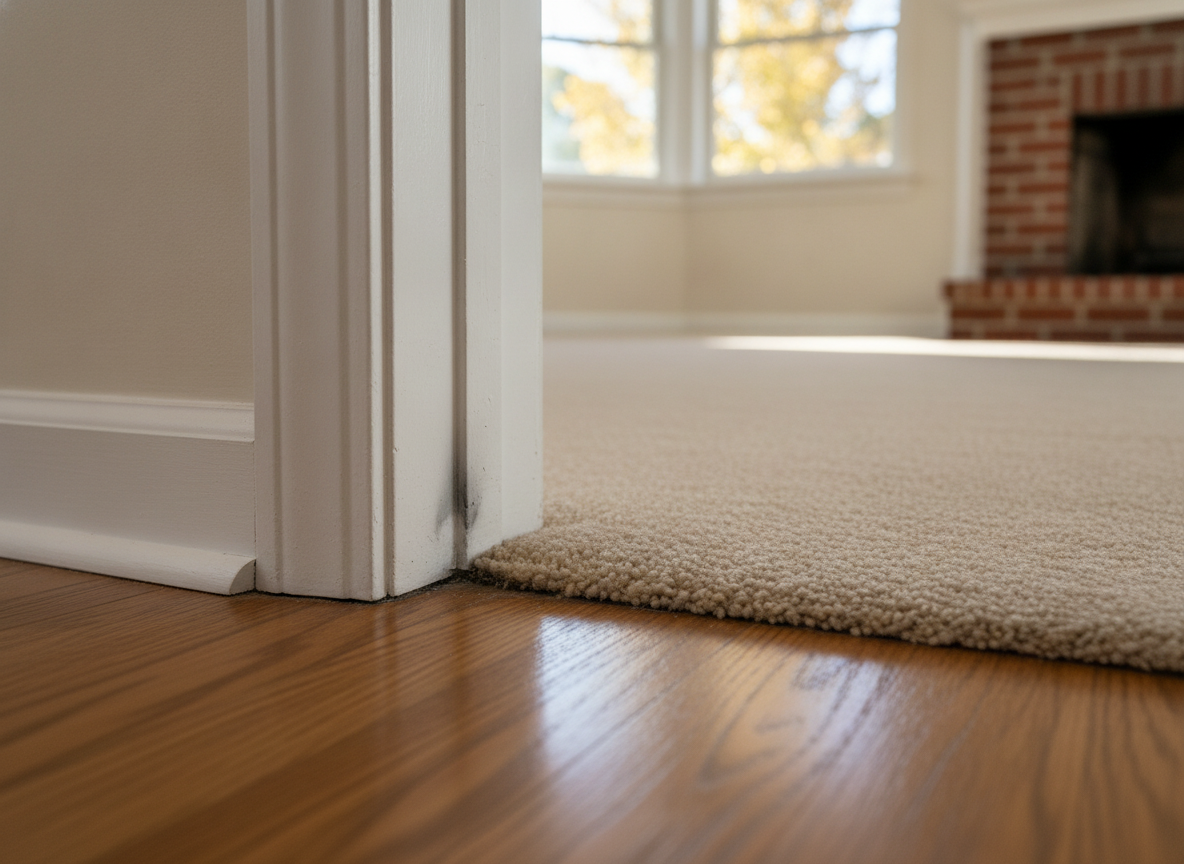
Smoke odor removal addresses unwanted smells left behind by smoke. A room may look cleaner while still holding an odor, because visible soot and lingering smells are not the same problem. Smoke residues can settle on surfaces, and odors can remain in absorbent materials.
If the smell persists after ordinary cleaning, dedicated odor removal is worth discussing. The important question is not simply how strong the smell seems today, but where it remains and what may be holding it. Describing the affected rooms and materials gives the conversation a useful starting point.
Removing an odor is different from covering it
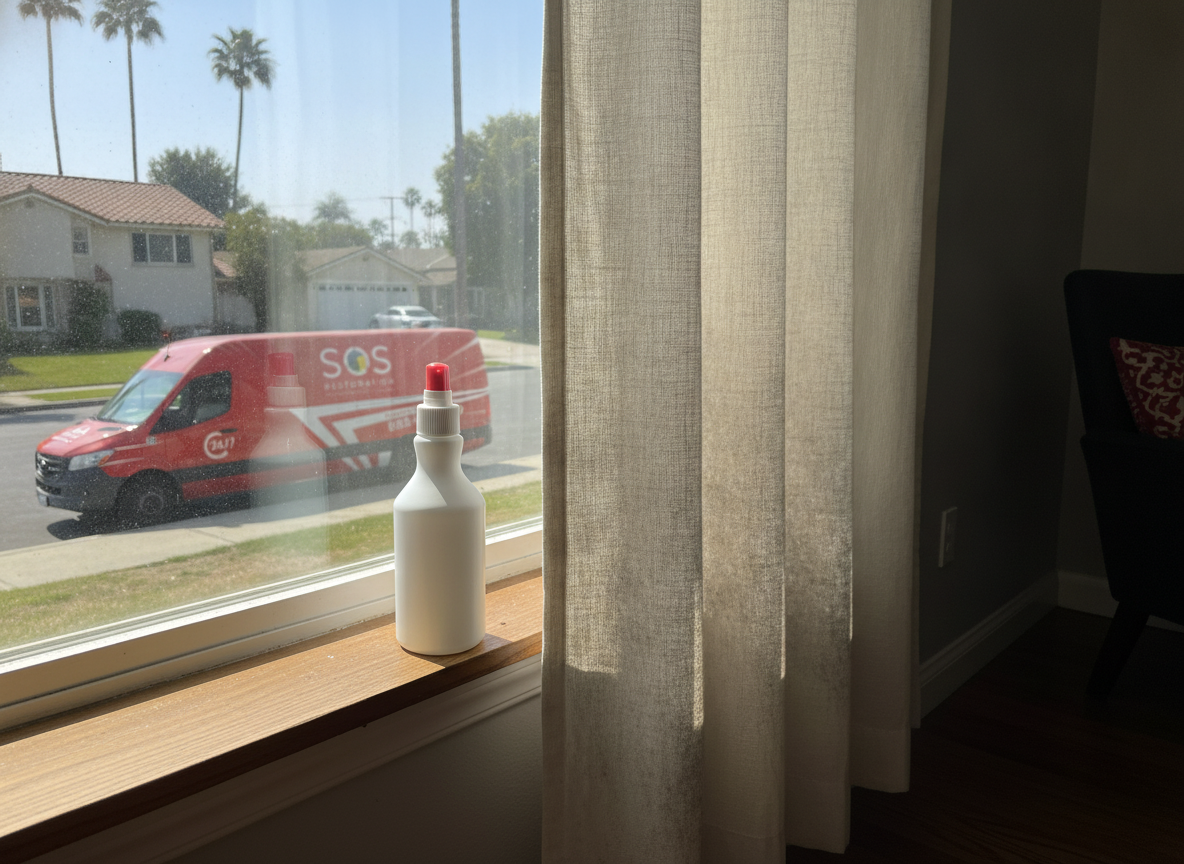
Air fresheners can change how a space smells without addressing smoke residue. Smoke odor removal generally focuses on identifying affected areas and treating the sources of the odor rather than adding another fragrance.
The work can involve cleaning affected surfaces and addressing materials that retain smoke smells. The appropriate approach depends on the situation; not every material responds to the same treatment. These are general considerations for smoke odor work, not a fixed treatment plan for every property.
The materials matter as much as the room size
A small affected space is not necessarily a simple job. Hard surfaces, fabrics and other absorbent materials can hold smoke residues differently. The extent of exposure and the location of lingering odors also matter when deciding what needs attention.
Before arranging service, note where you notice the smell, whether belongings are affected and what cleaning has already been attempted. You do not need to diagnose the problem yourself. Those observations can help you explain your concerns and ask more specific questions about the proposed work.
Ask what the proposed work will cover
A useful service discussion should distinguish between affected parts of the property and affected belongings. Ask which areas would be addressed, what preparation would be needed and how the proposed work relates to the smells you have noticed.
It is also worth discussing expectations before work begins. Odor removal is not simply a question of whether a room smells pleasant immediately afterward. The goal is to address the smoke-related smell, and the proposed scope should make clear what is included rather than leaving you to assume every surface or item is covered.
Choose a business that offers smoke odor removal
SOS Restoration Of San Bernardino County offers smoke odor removal. Its recorded services also include fire and smoke damage restoration and contents cleaning and restoration, making those related concerns relevant to raise when discussing smoke-affected spaces or belongings.
Contact the business about the odor problem you want addressed. Keep the conversation focused on the affected areas, your concerns and the scope of service you are considering.
Questions before arranging service
Is smoke odor removal the same as ordinary cleaning?
Not necessarily. General cleaning may address visible dirt while leaving smoke-related smells behind. Dedicated odor removal focuses on the lingering odor and its sources.
Can affected belongings be part of the discussion?
Yes. Mention any belongings that retain a smoke smell, and ask whether they would be included in the proposed work. Do not assume that a room treatment automatically covers every item inside it.
How much will the work cost?
Ask for pricing tied to the proposed scope. Explain the affected areas and materials so you can discuss what the price would cover.
What should I ask about timing?
Ask about scheduling, preparation and any access requirements before agreeing to the work. Clarify these details for your particular situation.
Talk to us about the smoke smell
Contact SOS Restoration Of San Bernardino County to discuss smoke odor removal, describe the affected areas and ask about the next step.